The Cranes’ Journey

As part of my blog series The Long Spring - ten years on, I recall the first appearance of a bird that was to accompany me for virtually the whole of the rest of my journey, all the way to the far north of Norway.


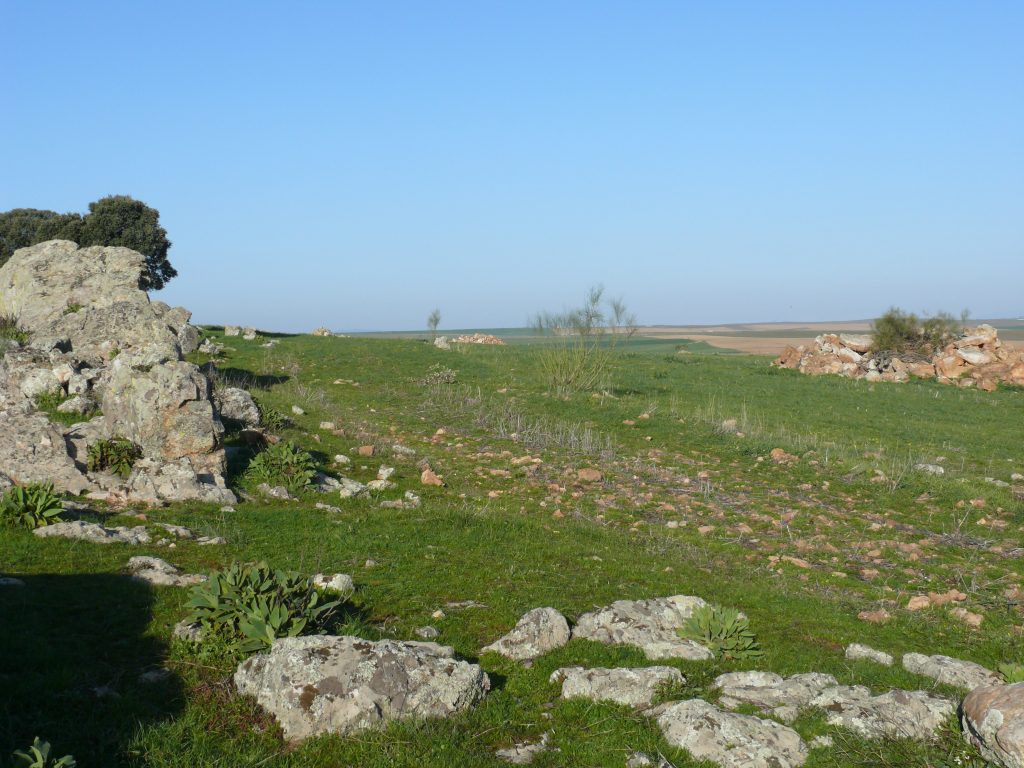
On 19 February, I arrived at La Serena, a vast area of steppe-like habitat in Extremadura. The following morning, before dawn, I went outside and waited.
With the sky still deeply blue and the unrisen sun casting a soft light at anything that flies at height, eight ravens appear from the south, from over the Sierra de Tiros and into the air above La Serena. Like the cranes that were passing over when I arrived at dusk last night, and following the same path, they are heard long before they appear in the sky: a soft croak, deep pitched but with a high, stony note embedded in it. They have emerged from their roost in the oak dehesas to spread across La Serena in search of the night’s casualties amongst the merino ewes and their new lambs. The first skein of cranes, thirty birds, appears in the north-western sky, making the reverse journey, returning to the dehesas to feed. Their rough, brassy reveille signals the end of the dawn.
Laurence Rose in The Long Spring
The cranes were on their wintering grounds, and I would encounter them many more times in Spain, as far as the French border, and later on their breeding territories in Sweden and Norway. So they will appear again in this series, when we get to late April.
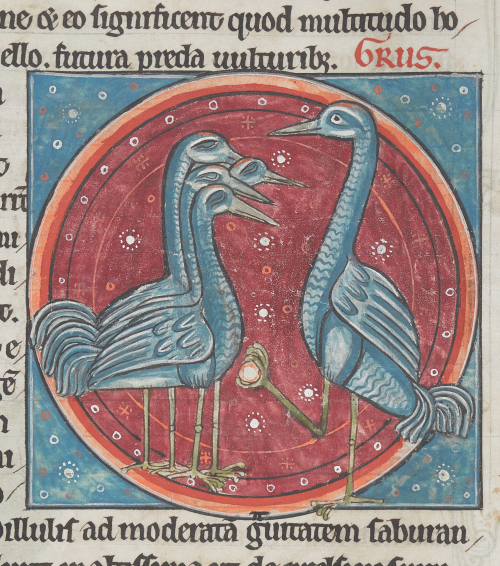
I also encountered them in the Fens of East Anglia, where they were once abundant enough to be killed in their hundreds for aristocatic banquets. Hunting and drainange led to their disappearance from the UK for over 400 years, but now they are back, in small but rapidly growing numbers. This other journey, from a widely-known species after which dozens of places are named – Cranbourne, Tranmere and Carnforth to mention just three – to extirpation; and their eventual return, is something I have been writing about more recently.
In 1251 a combined Christmas and wedding feast took place in York when Henry III celebrated the marriage of his eleven year-old daughter to the ten year-old King of Scotland. Along with a huge quantity of farmed meat and venison from the forests, locally-procured wild game included 115 cranes, an unrecorded number of bitterns and other small game and fowl. The northern fens of Holderness and the Humberhead Levels were still satisfying an unimaginable scale of aristocratic gluttony two centuries later. In September 1465 George Neville was enthroned as Archbishop of York at Cawood Castle, North Yorkshire where he fed his 2,500 guests vast quantities of wild meat, including dolphins and seals, hundreds of waders of different species, along with 204 cranes and a similar number of bitterns. That anywhere should be capable of provisioning such events with so much wild-caught fare seems barely conceivable today.
But now the crane is back. With a recovery in numbers on the continent, from the 1950s they were increasingly seen in the UK as passage migrants. Two took up permanent residence in the Norfolk Broads from autumn 1979 and eventually bred there in 1981, with cranes breeding in the Broads every year since. Population growth to 1997 was slow, mainly because of poor productivity, but since then success has improved and the number of pairs has increased steadily. They have bred in Yorkshire since 2002, the fens of East Anglia since 2007 and Aberdeenshire since 2012.
Habitat creation, aimed primarily at bittern recovery, has aided the spread of the species, but the main human intervention has been the Great Crane Project of 2010-2014, in which more than 90 German-sourced eggs were hatched and reared in Slimbridge and released as fledglings by the RSPB in the Somerset Levels. This established a population there and elsewhere in the west of Britain; now there are signs that the UK’s scattered populations are starting to join up.
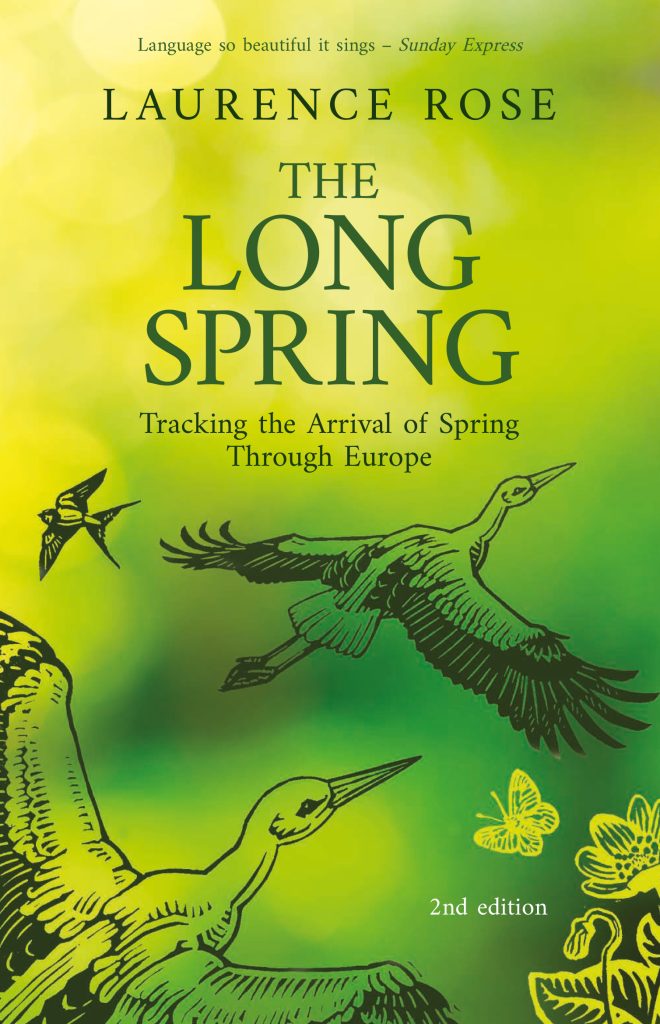
The 2nd edition of The Long Spring is out soon! Remaining copies of the first edition are available at a clearance discount here.